Amyloidosis
Cardiac Amyloidosis: From Molecular Mechanisms to Early Diagnosis
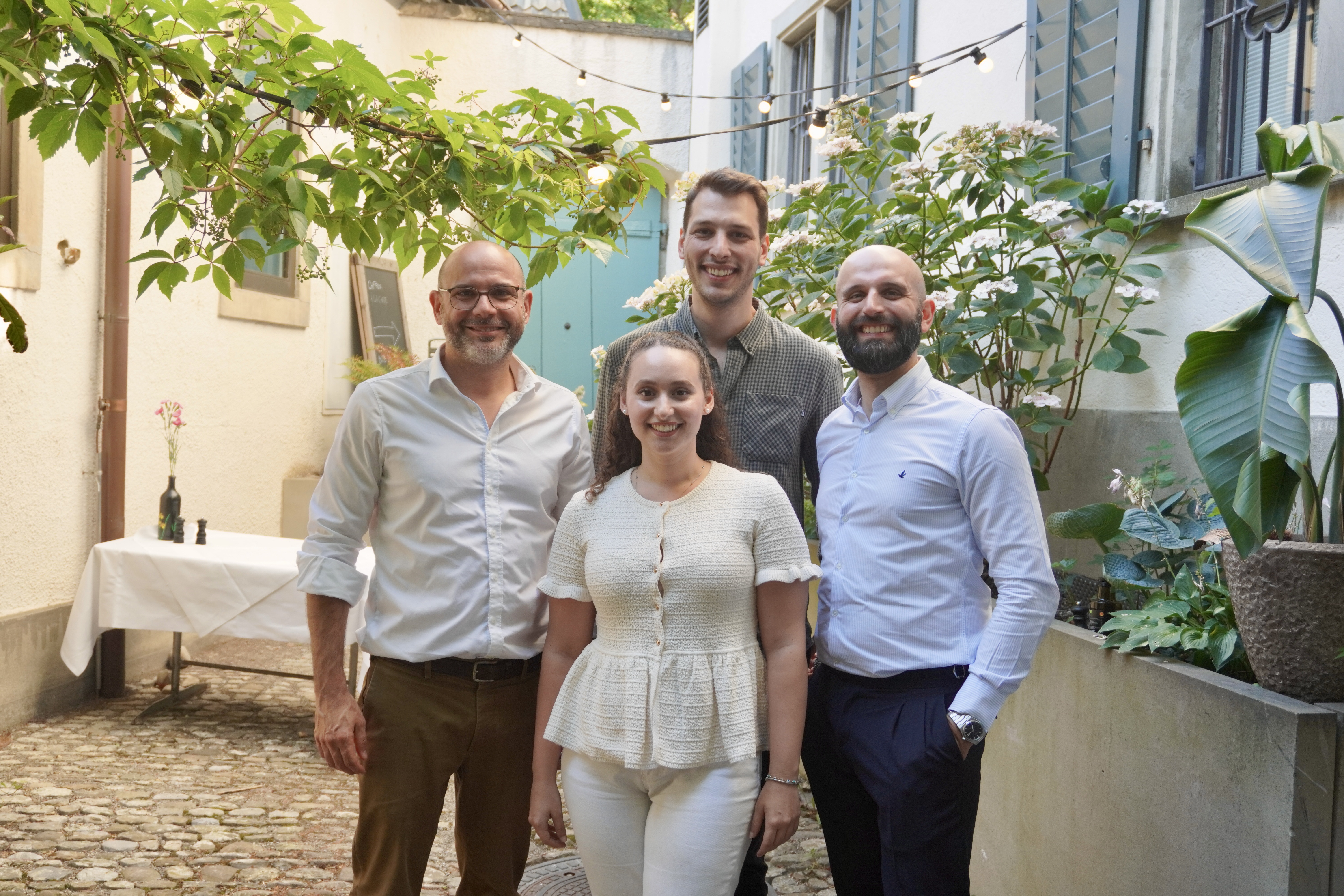
Cardiac amyloidosis is caused by the accumulation of misfolded proteins within the myocardium, leading to progressive heart failure, arrhythmias and thromboembolic complications. Transthyretin amyloid cardiomyopathy (ATTR-CM) is the most common form, but it often remains undiagnosed until an advanced stage.
Our group combines clinical cardiology with experimental and molecular approaches to improve the understanding, diagnosis and treatment of cardiac amyloidosis. We focus particularly on wild-type transthyretin amyloidosis and the mechanisms underlying transthyretin destabilization, myo-cardial deposition, tissue toxicity and amyloid clearance.
A major objective is the identification of biomarkers for earlier diagnosis and improved risk stratifi-cation. We investigate circulating non-coding RNAs and transthyretin monomers as potential mo-lecular signatures of early disease. These approaches may ultimately enable screening of at-risk populations and the identification of distinct molecular disease profiles.

We are also establishing a three-dimensional human myocardial microtissue model combining in-duced pluripotent stem cell-derived cardiomyocytes, cardiac fibroblasts and endothelial cells. Us-ing patient-derived plasma, this model allows us to study transthyretin uptake, deposition and toxici-ty under controlled conditions. Preliminary findings suggest that endothelial cells may play an im-portant role in the early stages of amyloid formation.
A further focus is the increased risk of intracardiac thrombosis and systemic embolism in cardiac amyloidosis. We investigate whether ATTR induces a direct pro-thrombotic endothelial phenotype independent of atrial fibrillation and how this may be modified by disease-specific therapies.
By closely linking experimental research with a clinical amyloidosis program, we aim to develop clinically relevant biomarkers, identify new therapeutic targets and support earlier diagnosis and personalized treatment of cardiac amyloidosis.